At OCA, faith is not a class period — it is the lens through which every subject is taught and every relationship is formed. Biblical truth shapes what we learn, how we learn, and how we treat one another.
Why it mattersResearch confirms that how children feel shapes how they think and remember. Across 213 school programs, helping children understand their feelings and relationships raised achievement by 11 percentile points (Durlak et al., 2011). Young people raised with regular prayer and worship were also happier and more likely to serve others (Harvard T.H. Chan, 2018).
Every learner has a unique profile. We design pathways that balance guidance, challenge, and encouragement so each student grows with real confidence — not just a passing grade.
What the research saysIn a 2026 expert survey published in The New York Times and featured by Harvard’s Center for Education Policy Research, small-group tutoring was rated among the most effective ways to raise achievement (source). Students taught to mastery have outperformed 84% of peers in conventional classes (Bloom, Educational Researcher, 1984).
Strong classical foundations come first — deep reading, careful writing, logic, and rhetoric. AI is then introduced step by step, as a tool, guided by Christian wisdom at every stage.
What the research saysIn a 2025 study of nearly 1,000 students, unrestricted AI help raised practice scores but cut exam scores by 17% once AI was removed; a guardrailed AI tutor avoided that harm (Bastani et al., PNAS). That is why OCA builds foundations first and adds AI with clear guardrails.

We cultivate joy, ownership, and responsibility so children become confident, curious, and kind learners — not just compliant ones. Students at OCA take genuine pride in their own progress.
Ready for the AI ageEmployers now rank analytical thinking, resilience, leadership, and creative thinking among the most essential skills (World Economic Forum, 2025), and Google DeepMind’s Demis Hassabis calls “learning how to learn” the next generation’s most needed skill. These are exactly the habits OCA students practice every day.

Every day at OCA is intentional — shaped by faith, built around each child, and grounded in the belief that learning and living for God are never separate things. Here is what that looks like from morning to afternoon.

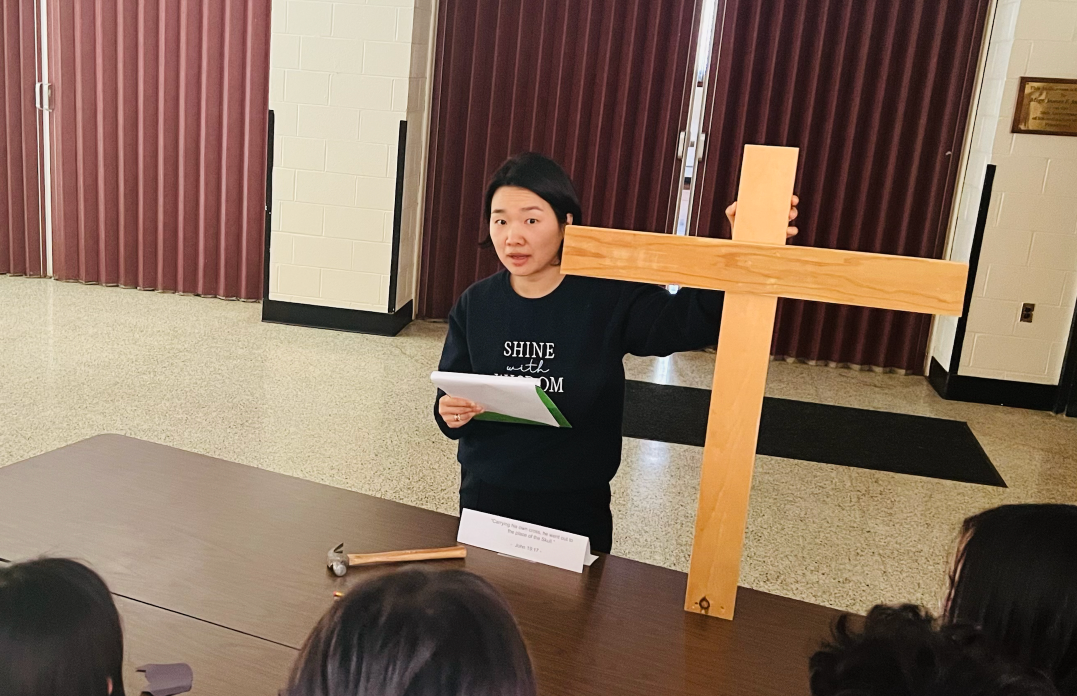
Before any lesson begins, students and teachers gather for Canvas & Clay Spiritual Formation. This is the first activity every single morning without exception. Children hear how deeply God loves them, discover their God-given purpose, and learn how to love and treat others. They bring their whole selves before God — their feelings, their struggles, their joys — learning to name their emotions honestly and process them through God’s Word.
This isn’t a devotional add-on bolted onto the school day. It shapes everything that follows — how students treat one another, how they handle difficulty, and who they are becoming. And children who come to class known, loved, and settled are ready to learn.
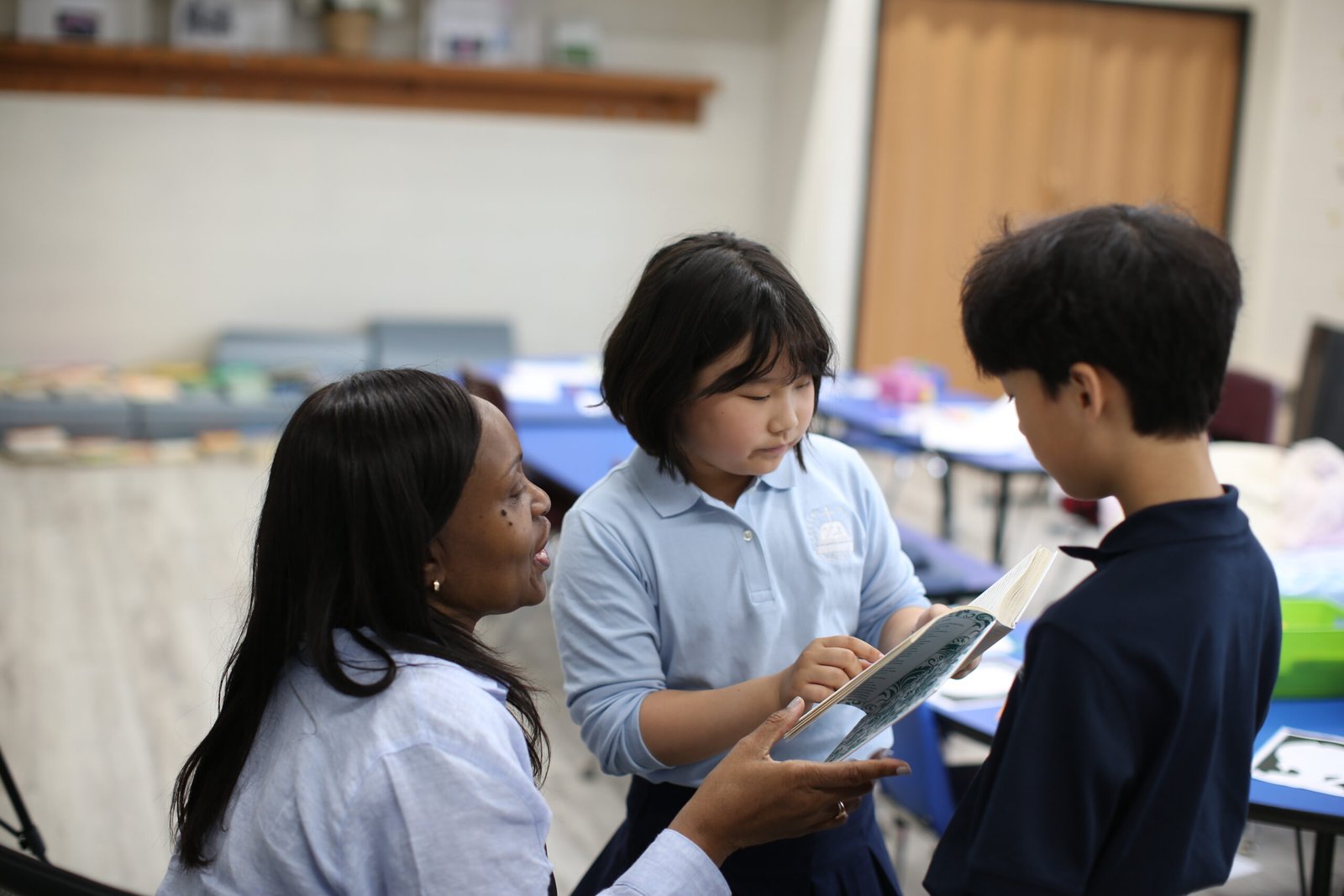
We learned quickly that young children — especially in K–5 — need a person beside them, not just an app. Our teachers model, guide, and reinforce learning in real time, in small groups with a 1:5 teacher-to-student ratio or better. Early readers build strong foundations through systematic, Science of Reading–aligned phonics. Technology supports practice, but the teacher leads every lesson.
Every student works at the level that’s right for them, moving forward when mastery is secure — not when the calendar says so. All subjects meet and exceed New Jersey learning standards.
Students don’t just read about the world — they engage it.
Through integrated projects, writing workshops, presentations, and student-produced publications, faith, academics, and creativity come together in work students are genuinely proud of. Our students have published their own magazines on faith, history, and community.
Afternoons bring physical education, music, art, and other enrichment classes. Children move their bodies, express creativity, and discover gifts beyond the core subjects — because God made the whole child, and we teach the whole child.
Every student uses the OCA Homework Planner, a grade-level planner that grows with them. Students write down each assignment, check that they have their materials, estimate how long the work will take, and record their actual start and end times. Then they compare, reflect, and plan better next time.
Parents partner with us by protecting the start time, coaching rather than doing the work, and signing the planner. This isn’t just organization for school — it builds the executive function skills that will serve students through middle school, high school, college, and beyond.
Every Wednesday, students gather for chapel — worshiping, hearing the Word, and being reminded of who God says they are. Elementary and middle school students meet in separate chapel services, so worship and teaching speak directly to each age and stage. It is one of the most distinctive rhythms of OCA life, and one parents consistently say they value most.
Parents are always welcome to join. Many do.
Every afternoon after students leave, our teachers meet. They review how each child is doing, share what’s working, and refine how they teach. They read research, visit recognized schools, and ask hard questions about what OCA can do better.
Our faculty bring credentials that could take them anywhere — an engineering PhD from Georgia Tech, a PhD candidate in intercultural education, a former college literature professor — yet they chose small classrooms because they believe this is where the most important work happens.
Our teachers bring deep expertise, strong faith, and a humble willingness to keep learning. They collaborate, research, and adapt — and they chose OCA because they believe this is where the most important work happens.

Growth results: NWEA MAP Growth, 2025–26
All the teachers and administrators have the qualifications and experience to be anywhere else, but I’m thankful to the Lord that they choose to be at OCA. Your investment in this new model of Christian schooling will reap great fruit in the years to come.